
Top 25 Must-See European Islands To Visit In 2024
Europe is estimated to have over 2,400 inhabited islands in its territories. With such a vast selection, choosing the right island to visit can be a daunting task.
From the sun-drenched beaches of the Greek Islands to the rugged beauty of the British Isles, each destination offers a unique island experience so it’s important to consider which island best suits your travel goals.
Are you looking for vibrant nightlife, secluded beaches, cultural experiences, or perhaps a bit of adventure like hiking or scuba diving? It’s important to note that while many European countries share the Euro, costs can vary widely.
So, whether you’re a couple looking for a romantic escape, a family keen to have a memorable summer vacation, or a solo traveler eager to explore, there’s the perfect island waiting to be explored on your next Europe itinerary.
Below is a roundup of the most enticing islands in Europe, each with its own unique charms and attractions. So pack your bags and get ready to explore Europe from a different vantage point.
Table of Contents
Island of Great Britain
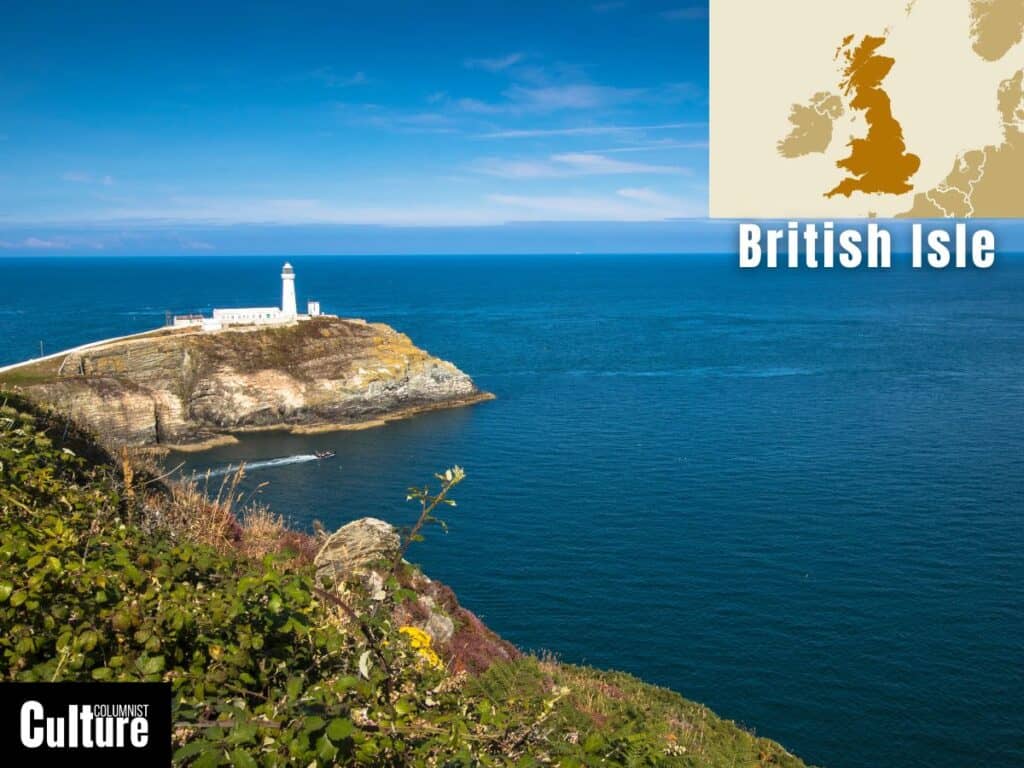
Great Britain is the largest of the British Isles, situated in the North Atlantic Ocean off the northwest coast of mainland Europe.
The island consists of the countries of England, Scotland, and Wales and offers a diverse range of landscapes, from the serene Lake District in England to the rugged Scottish Highlands.
The island’s coastlines feature areas of distinct natural beauty, such as the White Cliffs of Dover and the long beaches of Wales.
From iconic landmarks like Buckingham Palace and the Tower of London to cultural treasures at the British Museum, the city offers a rich blend of history and culture.
Exploring the historic streets of London is a quintessential Great Britain experience and of course, savoring a traditional afternoon tea or a full English breakfast is another way to fit right in but no trip to this multifaceted island is complete without a journey to the Scottish Highlands.
Iceland
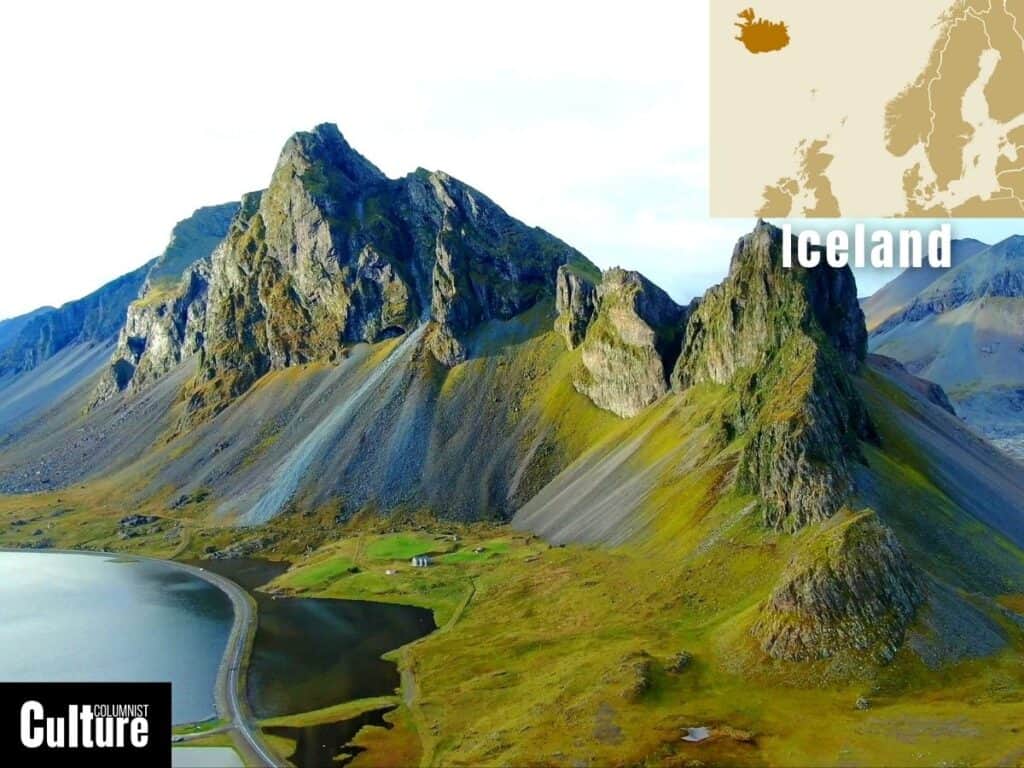
Iceland is a Nordic island country situated in the North Atlantic Ocean, near the Arctic Circle. Renowned for its dramatic landscapes, Iceland is often referred to as the “Land of Fire and Ice” because of its glaciers and volcanoes.
The unique volcanic landscape means there is a wealth of geothermal pools, including the famous Blue Lagoon.
The island is an almost untouched spectacle of geological wonders, ranging from geysers, hot springs, and lava fields to glaciers, icebergs, and fjords.
Iceland is home to the Vatnajökull Glacier, one of the largest glaciers in Europe, and the Dettifoss waterfall, one of the most powerful waterfalls in Europe.
One of the best things to do on the island is to get a glimpse of the Northern Lights. This spectacular lightshow is visible from late September to early April.
Iceland also offers many outdoor activities, from glacier hiking and cave exploring to whale watching and horseback riding, making it a great destination for nature enthusiasts and wildlife lovers.
Sicily
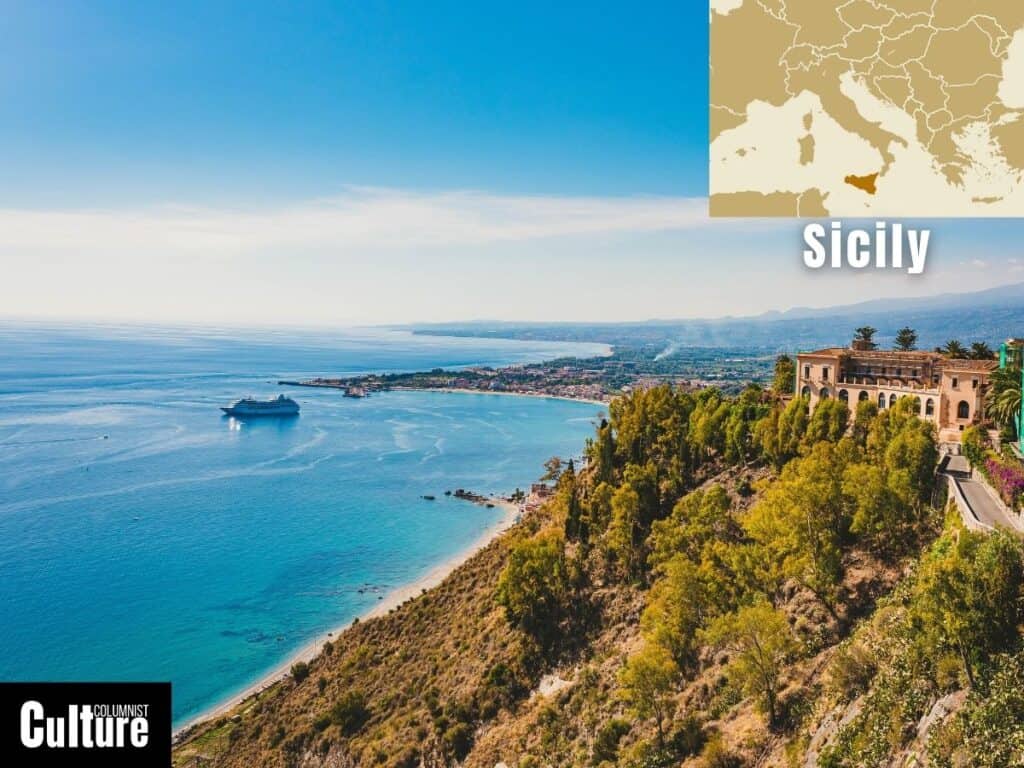
Sicily is the largest island in the Mediterranean Sea and is an autonomous region of Italy. The island has a rich tapestry of cultural influences, including Greek, Roman, Arab, and Norman.
Sicily is best known for its ancient ruins and delicious culinary traditions, notably the invention of dishes like cannoli and arancini.
Sicily offers a diverse range of natural beauty, from the pristine beaches of San Vito Lo Capo and the Aeolian Islands to the rugged hinterlands of the Nebrodi and Madonie mountain ranges.
One of its most renowned features is Mount Etna, Europe’s highest active volcano, offering hiking opportunities and panoramic views.
Some of the best things you can do in Sicily include exploring the ancient city of Syracuse, where you can step back in time at the Greek Theater and marvel at the Ear of Dionysius cave.
Visit the stunning baroque architecture in cities like Ragusa and Noto and once you’ve worked up an appetite, chow down with freshly caught Sicilian seafood by the azure Mediterranean shores.
Sardinia
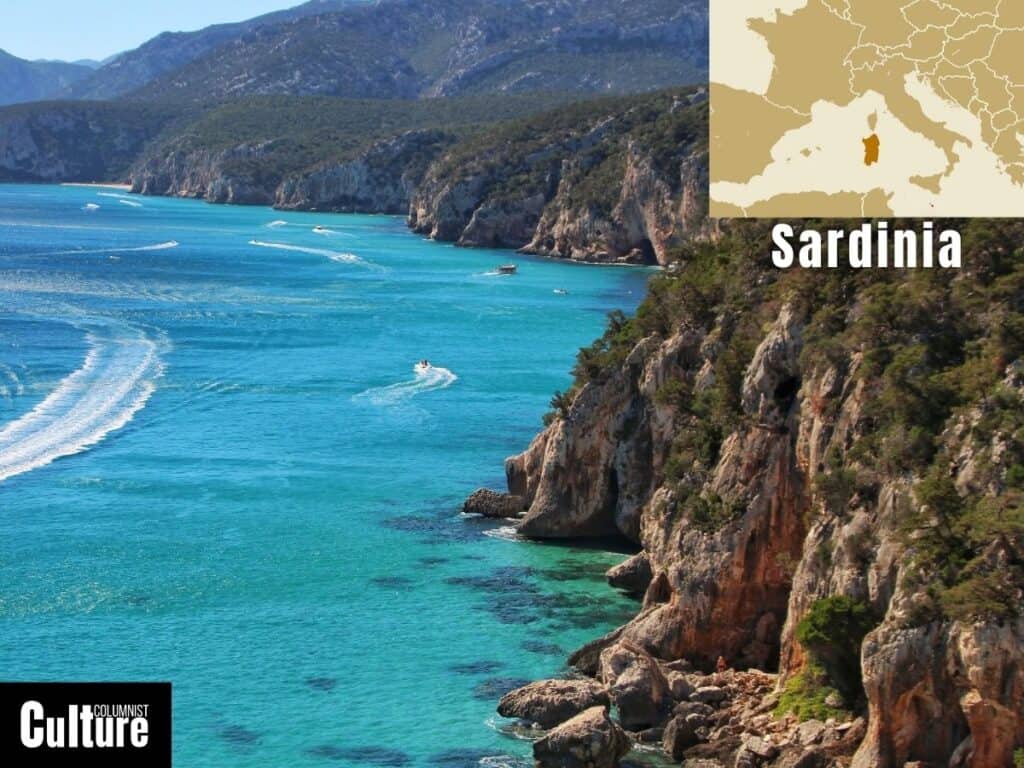
Sardinia is the second-largest island in the Mediterranean Sea and is also an autonomous region of Italy.
Sardinia has been influenced by various civilizations, including the Phoenicians, Romans, and Moors, and yet has developed a strong sense of Sardinian culture, including its own language, Sardo.
Sardinia is particularly famous for its jagged coastline, including the Costa Smeralda, punctuated by stunning beaches like Cala Goloritzé and Cala Luna, with crystal-clear turquoise waters.
Inland, the island features rugged mountain ranges, including the Gennargentu mountain range, offering various hiking and outdoor opportunities for adventure seekers.
Visitors have the opportunity to discover Sardinia’s prehistoric heritage at Nuraghe Su Nuraxi, a UNESCO World Heritage Site that features a complex stone fortress built by the Nuragic civilization over three millennia ago.
Finally, to have an authentic taste of Sardinia, be sure to try the roast suckling pig, known as “porceddu,” which is a signature dish, or “seadas,” a sweet fried pastry dessert.
Corsica
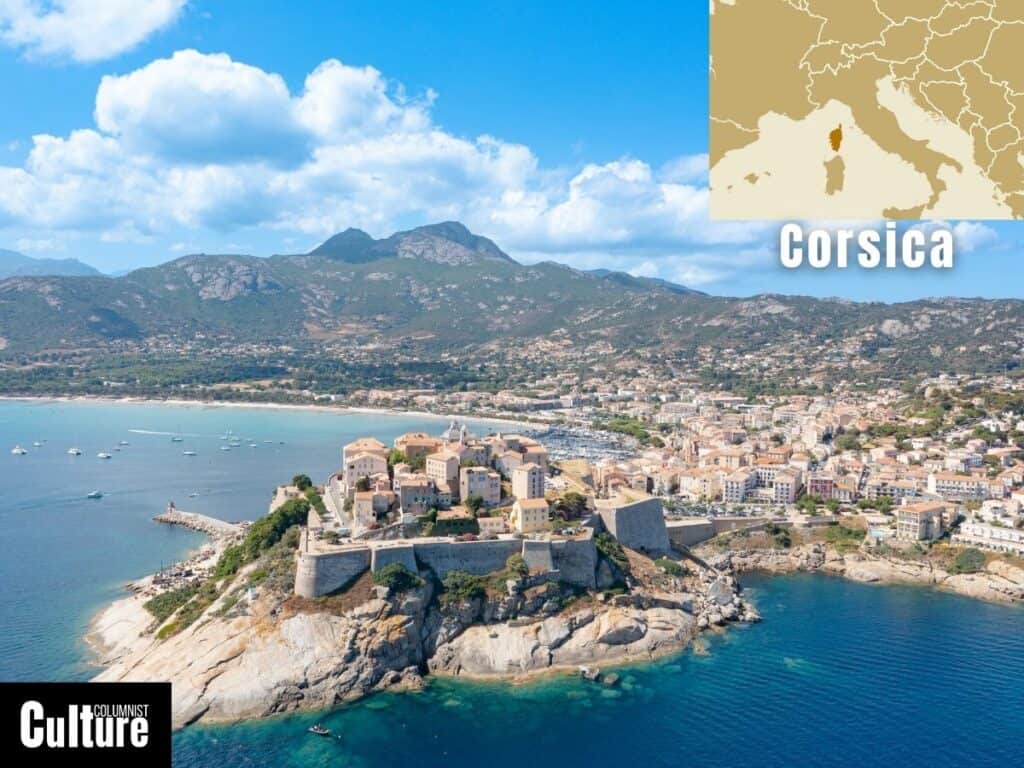
Corsica is an island located in the Mediterranean Sea, southeast of the French mainland. It is part of the territory of France and is famous for being the birthplace of Napoleon Bonaparte.
Corsica is a popular summer vacation destination thanks to its natural beauty and more than 200 beaches on the island.
Corsica is often referred to as the “Island of Beauty” due to its varied landscapes, which range from glittering bays and stunning beaches to jagged peaks and dense forests.
The island is home to the Parc Naturel Régional de Corse, a natural park covering about 40% of the island, which is a UNESCO World Heritage site and famous for its rich marine life, including the red coral.
Mountainous terrains like Monte Cinto, the highest peak on the island, offer hiking, canyoning, and rock-climbing opportunities, while the coastline attracts visitors for sailing, snorkeling, and scuba diving.
One iconic trail called the GR20 is considered one of the most challenging long-distance hikes in Europe. It is 180 km (112 miles) long and traverses the island diagonally along Corsica’s mountainous inland.
Crete
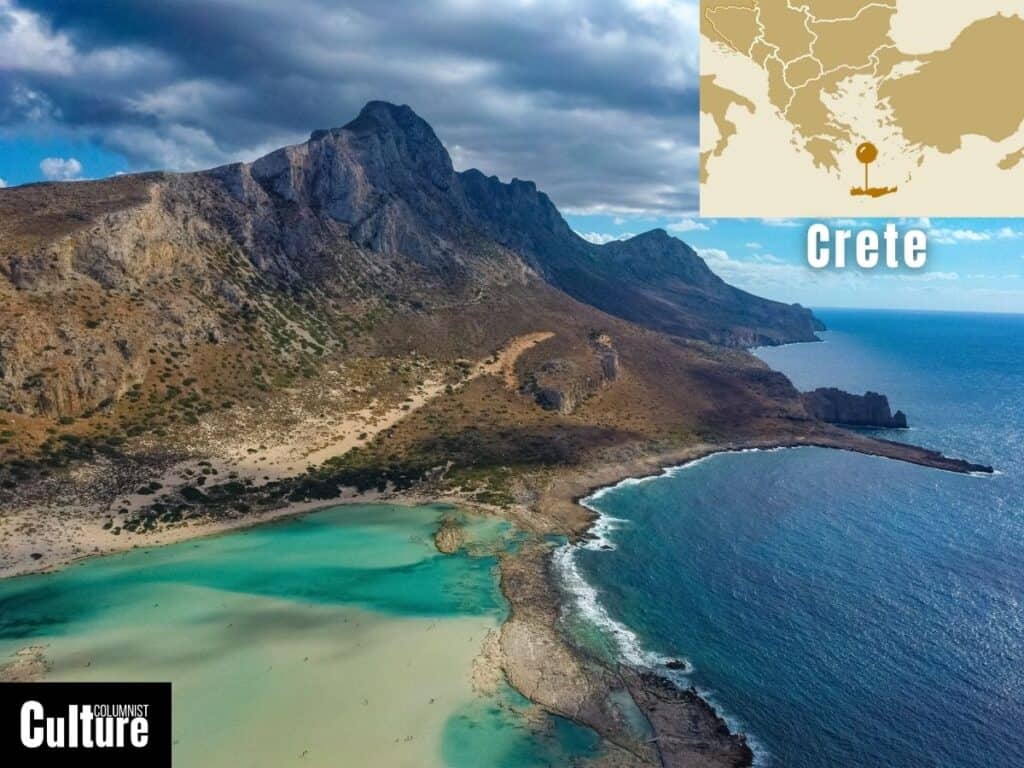
Crete is the largest of the Greek islands, situated in the eastern Mediterranean Sea. It is a place of significant historical importance, often considered the cradle of European civilization due to its Minoan heritage, which dates back to around 2700 BC.
Crete’s beaches, like Elafonissi and Balos Lagoon, are famous for their crystal-clear waters and pink-hued sands, created by crushed shells.
Crete is renowned for its contrasting landscapes, featuring mountain ranges such as the White Mountains, fertile plateaus, and extensive coastlines.
The Samaria Gorge, one of the longest gorges in Europe, has an awe-inspiring trek waiting to be explored with lots of great photo opportunities.
One of the best things to do on the island is take a walk through the well-preserved ruins of the Palace of Knossos and admire the intricate frescoes, the grand throne room, and the labyrinthine layout of the palace.
The mixture of outdoor adventure, pristine beaches, historic towns and excellent cuisine makes Crete an all-encompassing destination that truly has something for everyone.
Rhodes
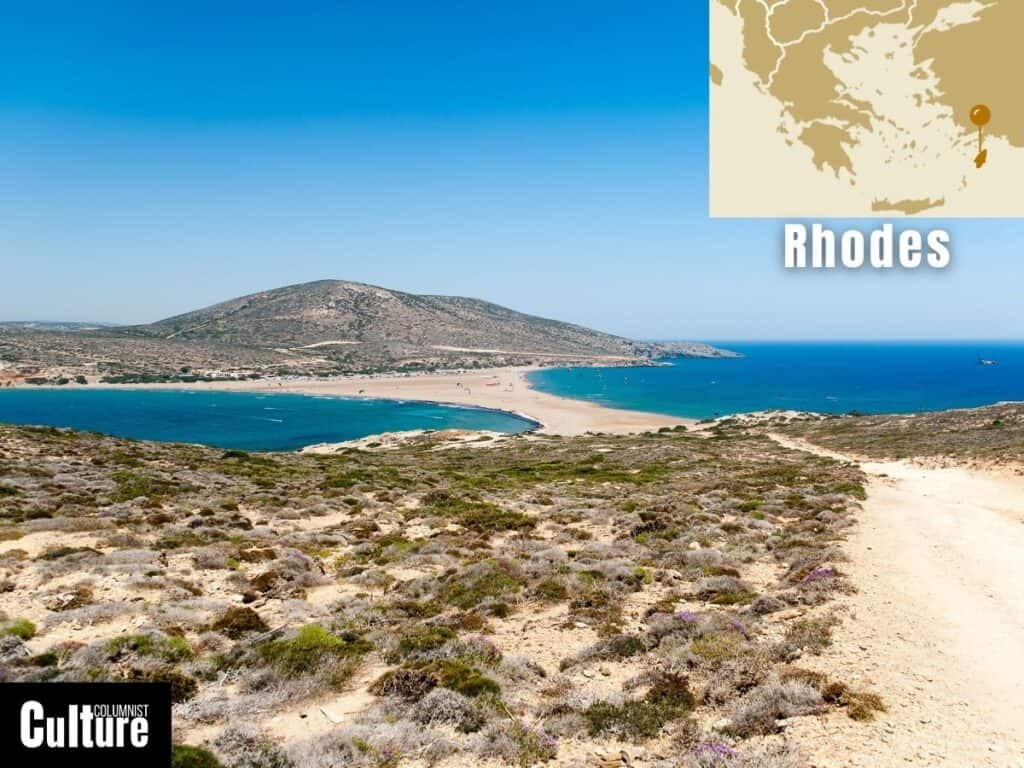
Rhodes is the largest of the Dodecanese islands, located in the southeastern Aegean Sea and belonging to Greece. Historically, Rhodes was once the site of the Colossus of Rhodes, one of the Seven Wonders of the Ancient World.
The island is best known for its medieval old town, fortified under the Knights of St. John during the Crusades. Rhodes offers a diverse array of natural beauty, ranging from mountainous terrain to idyllic beaches.
The island’s west coast is rugged, with rocky outcrops and pine forests, while the east coast is known for its long, sandy beaches, such as Tsambika Beach and Elli Beach.
The interior of the island is lush, dotted with olive groves and citrus orchards, as well as natural springs in places like Seven Springs (Efta Piges).
The island also features the Valley of the Butterflies, a natural reserve that attracts thousands of butterflies during the summer months thanks to the sweet fragrance of the trees in the valley.
It’s a wonderful experience for nature lovers but particularly for kids who are mesmerised by the spectacle of thousands of butterflies fluttering in the air.
Gotland
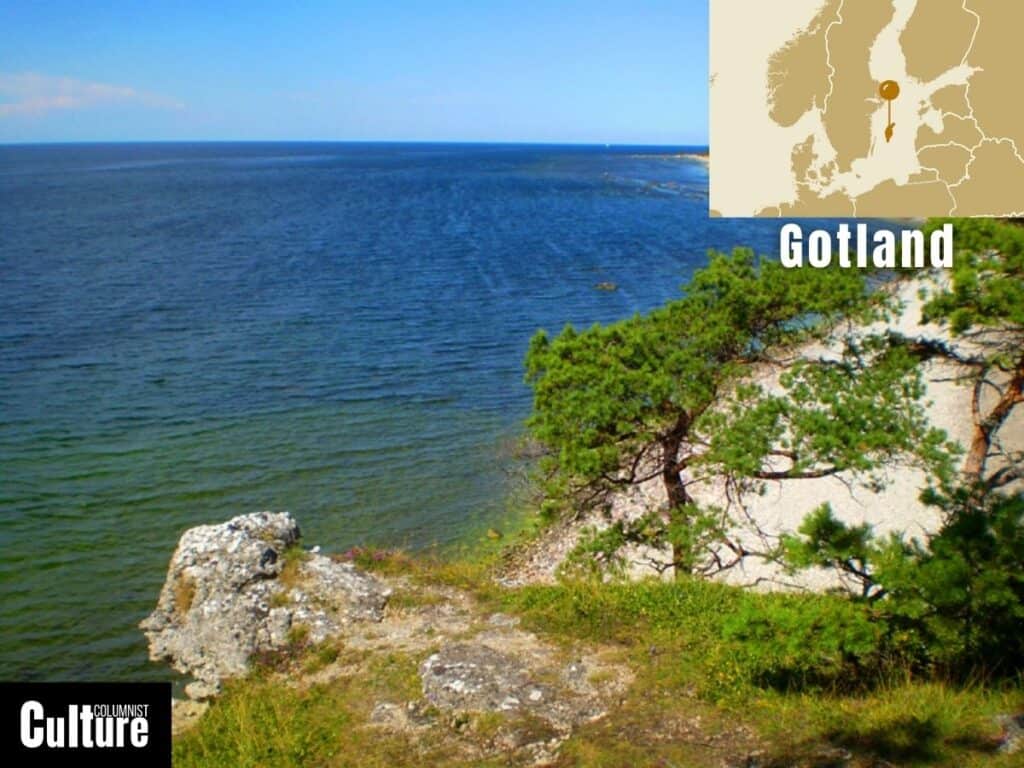
Gotland is an island belonging to Sweden that lies in the Baltic Sea. It is the largest island in the Baltic and dates back to the Viking Age, with well-preserved medieval architecture.
Visby, its main town, is a UNESCO World Heritage Site famous for its medieval city walls and cobblestone streets, lined with charming, colorful buildings.
Gotland’s landscape is characterized by its limestone plateaus, open farmlands, and serene beaches.
The coastline is dotted with chalk stone pillars, locally known as “rauks,” which are natural formations eroded by weather and water, providing popular spots for photography and exploration. Beaches such as Tofta offer soft sand and clear waters, ideal for some Scandinavian bathing.
Gotland is also known for its Blue Lagoon, a former limestone quarry turned into a beautiful swimming spot. A visit to Gotland wouldn’t be complete without a stroll around the town of Visby’s medieval city walls.
Often referred to as the “Ringmuren,” these walls are dotted with historic towers and gatehouses, each with its own unique character and history and provide panoramic views of Visby and the Baltic Sea.
Saaremaa
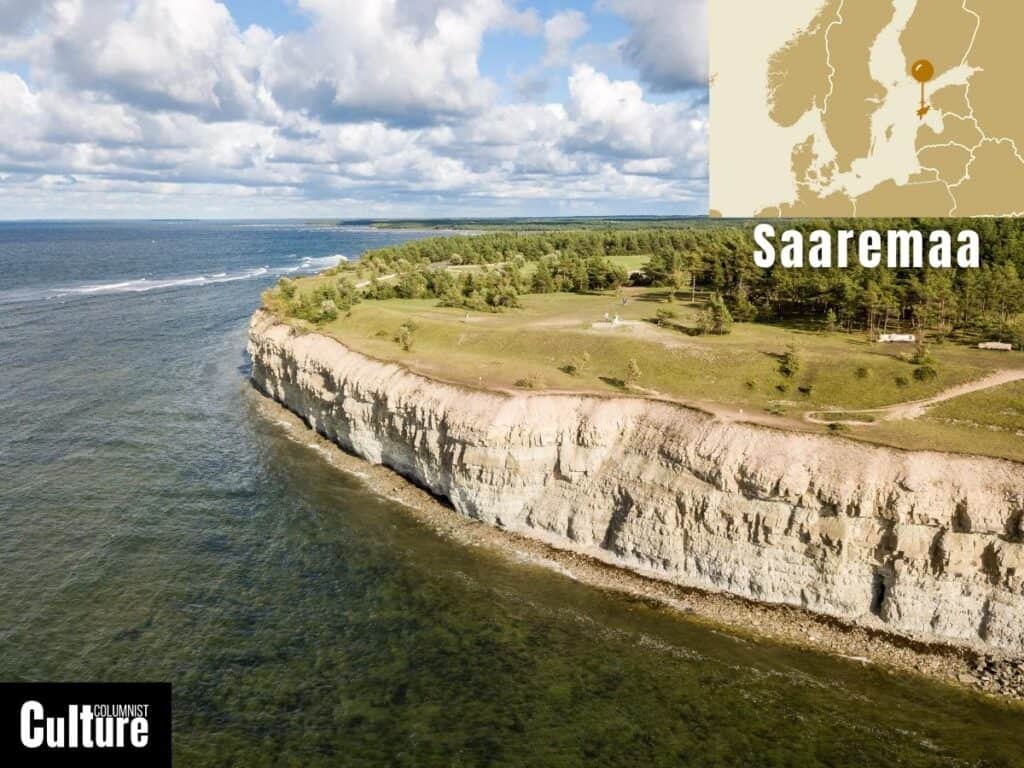
Saaremaa is the largest island in Estonia and lies off its west coast in the Baltic Sea. It’s best known for its well-preserved meteorite craters, like the Kaali crater, and its medieval landmarks, such as the Kuressaare Castle.
The island also holds a unique status as a UNESCO-recognized MAB (Man and Biosphere) Reserve. It’s surrounded by a rugged coastline with pristine sandy beaches, sheer cliffs, and secluded coves.
Panga Cliff on the northern shore offers breathtaking views of the Baltic Sea and is known for being a great location to watch the sunset. Vilsandi National Park is a great hiking spot with numerous islands, islets, and diverse wildlife to discover.
While exploring Saaremaa, be sure to stop off at Kuressaare, not only to explore the historic castle but also to enjoy the town’s many spas.
You can also check out the Angla windmills, an open-air museum showcasing Saaremaa’s heritage and offering a unique photo location.
No visit to the island is complete without seeing the Kaali Meteorite Crater, where you can walk around the rim of a real meteorite crater and visit the museum to learn more about the impact.
Azores
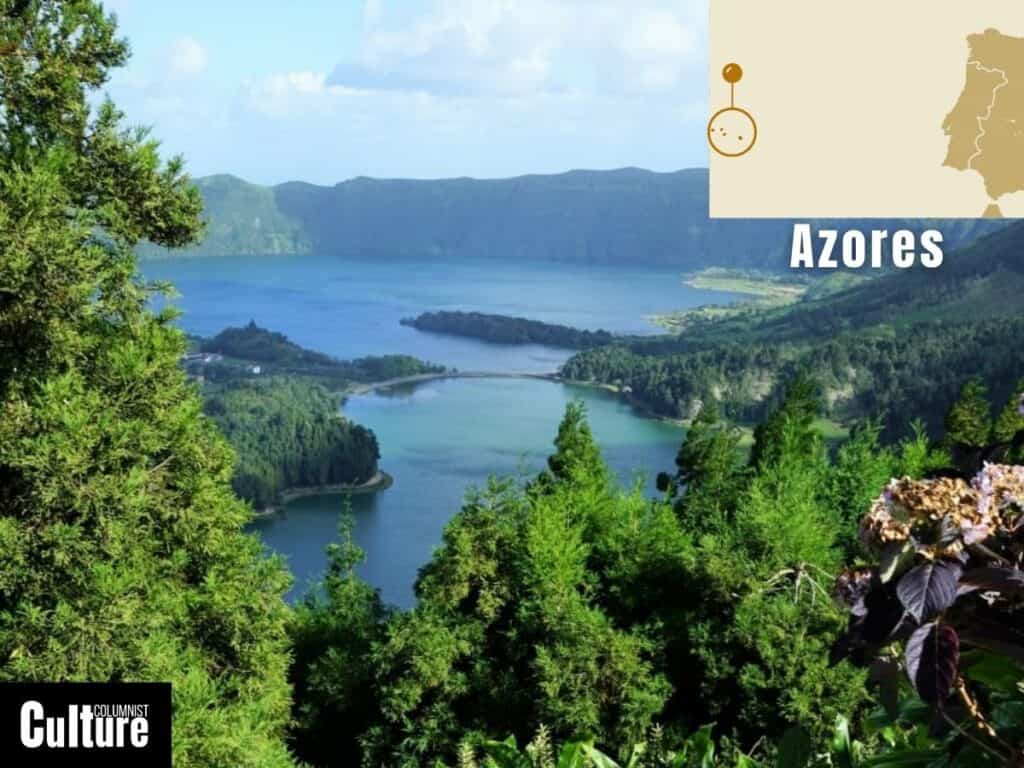
The Azores are an archipelago of nine volcanic islands situated in the North Atlantic Ocean, belonging to Portugal.
The Azores are best known for their volcanic landscapes and as a lesser known destination for off the beaten track adventures.
The islands have received accolades such as the Platinum Quality Coast Award for their sustainable tourism practices.
The islands are a haven of natural beauty, featuring everything from mountains and ancient volcanic craters to vibrant marine life and sandy beaches.
There is an abundance of greenery with lush forests, high cliffs, and striking blue lakes formed in volcanic craters, such as the Sete Cidades in São Miguel.
The Azores are one of Europe’s premier whale watching destinations, where it’s possible to spot a variety of whale species, including sperm whales, humpback whales, and the elusive blue whale.
For an unforgettable experience, be sure to take a boat excursion from one of the islands, such as São Miguel or Pico, to have the opportunity to witness these magnificent creatures in their natural habitat.
Madeira
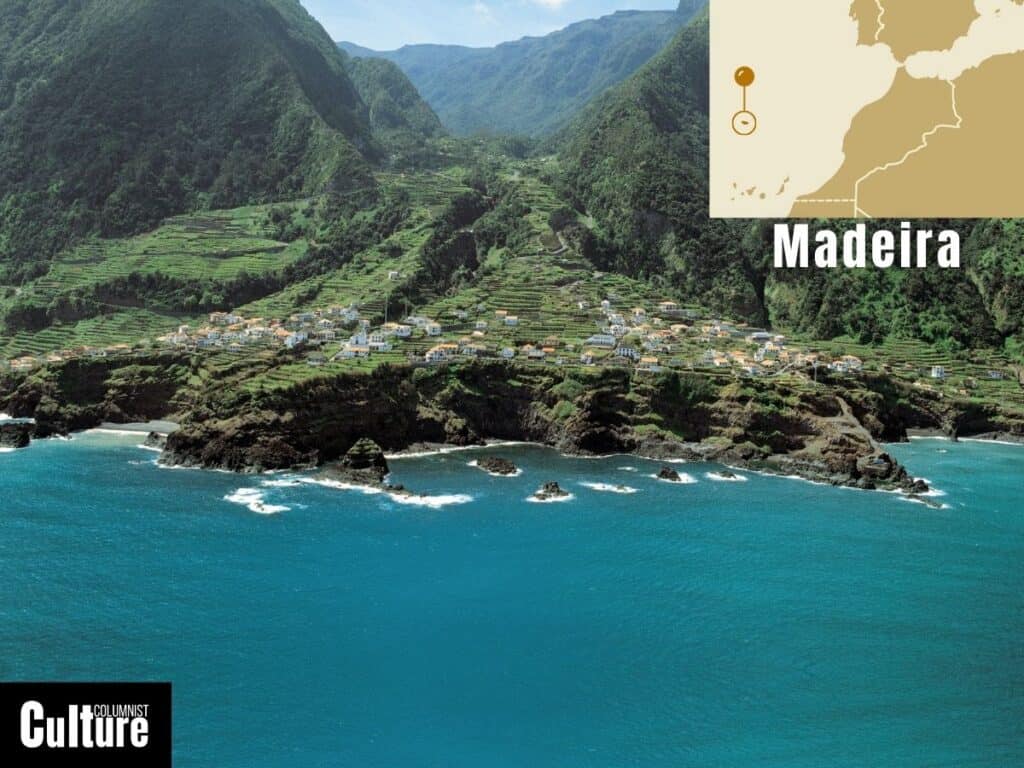
Madeira is part of an island archipelago that sits in the North Atlantic Ocean, consisting mainly of two islands, Madeira and Porto Santo.
A part of Portugal, the island is home to the Cabo Girão, one of the world’s highest ocean cliffs, providing breathtaking views of the surrounding area.
Madeira has received various awards for its exceptional beauty, including the World Travel Award for Europe’s Leading Island Destination multiple times.
Madeira is a paradise of botanical gardens, terraced fields, and rugged coastal cliffs. The island is especially famous for its Laurisilva Forest, a UNESCO World Heritage Site of laurel trees and unique wildlife like the long-toed pigeon and the Madeiran wall lizard.
Madeira is also famous for its levadas, a network of narrow irrigation channels that crisscross the island’s lush landscapes. Be sure to make some time to do a levada walk, which can range from easy strolls to more challenging hikes.
By traversing these waterways, you’ll cross some of the island’s best spots with lush forests, cascading waterfalls, and breathtaking views of the Atlantic Ocean.
Mallorca
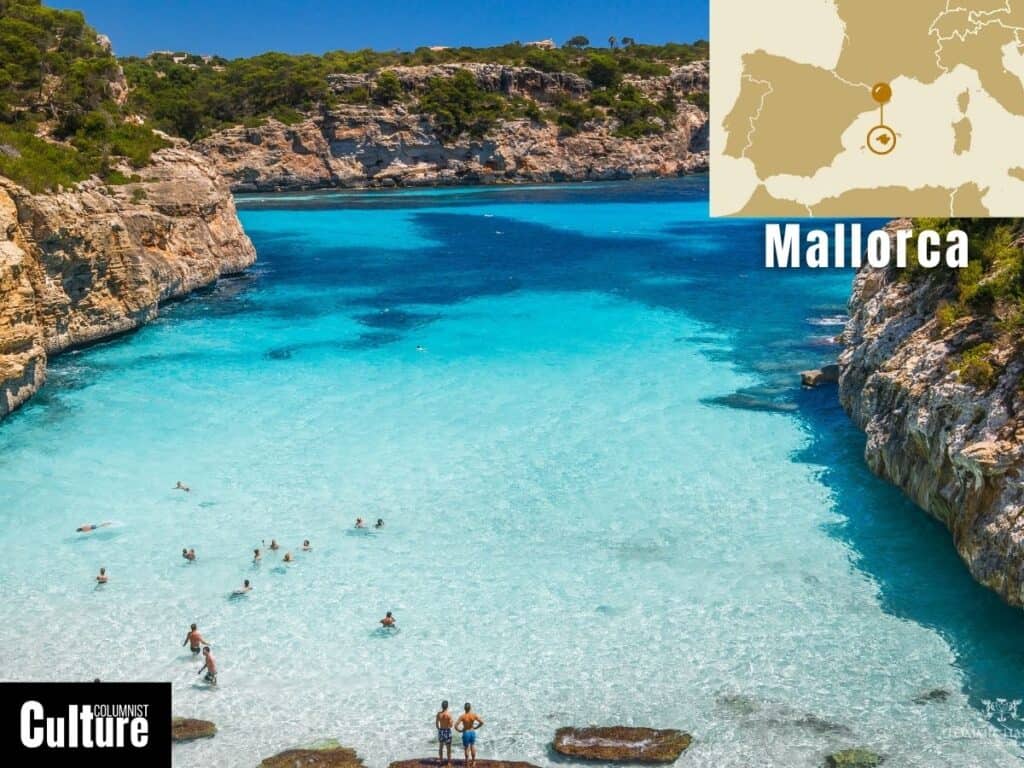
Mallorca, belonging to Spain, is the largest of the Balearic Islands and lies off Spain’s east coast in the Mediterranean Sea.
With its rich history dating back to the Roman and Byzantine eras, the island is known as a culture hub with a mix of everything from historic landmarks to luxury beach resorts, vibrant nightlife, and stunning landscapes.
Mallorca is home to the Serra de Tramuntana mountain range, a UNESCO World Heritage Site, which dominates the northwest of the island, offering challenging hikes and breathtaking views.
Inland, in the countryside, you’ll find olive groves, vineyards, and almond orchards, while around the coast, you’ll find sandy beaches, crystal-clear coves and azure watera, but be sure to devote some time to exploring the island’s capital city, Palma de Mallorca.
Visit the iconic La Seu Cathedral, a stunning Gothic masterpiece overlooking the Mediterranean Sea, wander through the historic old town and discover the local markets like Mercat de Santa Catalina.
End the day with a stroll along the Paseo Marítimo promenade to take in views of the marina and coastline.
Ibiza
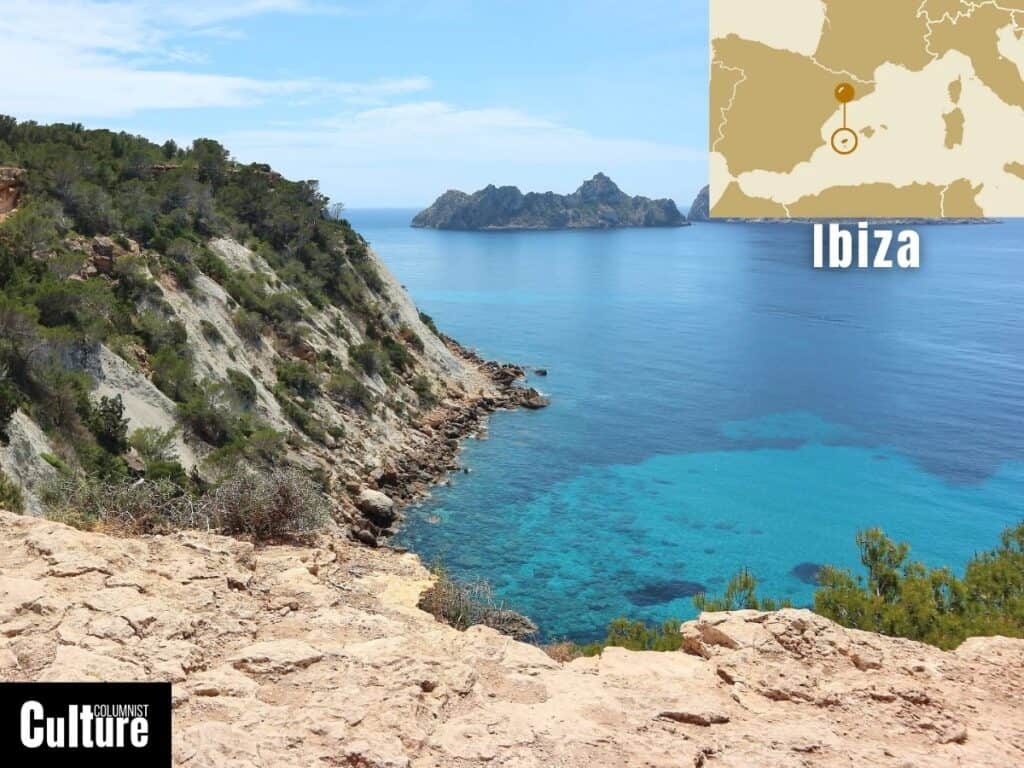
Ibiza is one of the Balearic Islands located in the Mediterranean Sea and is a part of Spain. The island is best known as a global party destination with its electrifying nightlife scene, but it is also recognized by UNESCO for its biodiversity and culture.
Ibiza offers more than just vibrant nightlife; it is home to stunning natural landscapes, including sandy beaches, crystal-clear waters, and pine-covered hills.
The island has several protected areas, such as the Ses Salines Natural Park, where you can see wild flamingos roaming the salt flats.
If you want to relax and soak up some sun, check out beaches like Playa d’en Bossa, Cala Comte, or Las Salinas.
However, if you want to experience a taste of what makes Ibiza world-famous, you need to spend a night on the town. Start your evening with a sunset at Café del Mar or Mambo, enjoying cocktails and chill-out music.
If you’re adventurous enough, you can dance the night away at some of the island’s iconic superclubs like Pacha, Amnesia, or Ushuaïa.
Aeolian Islands
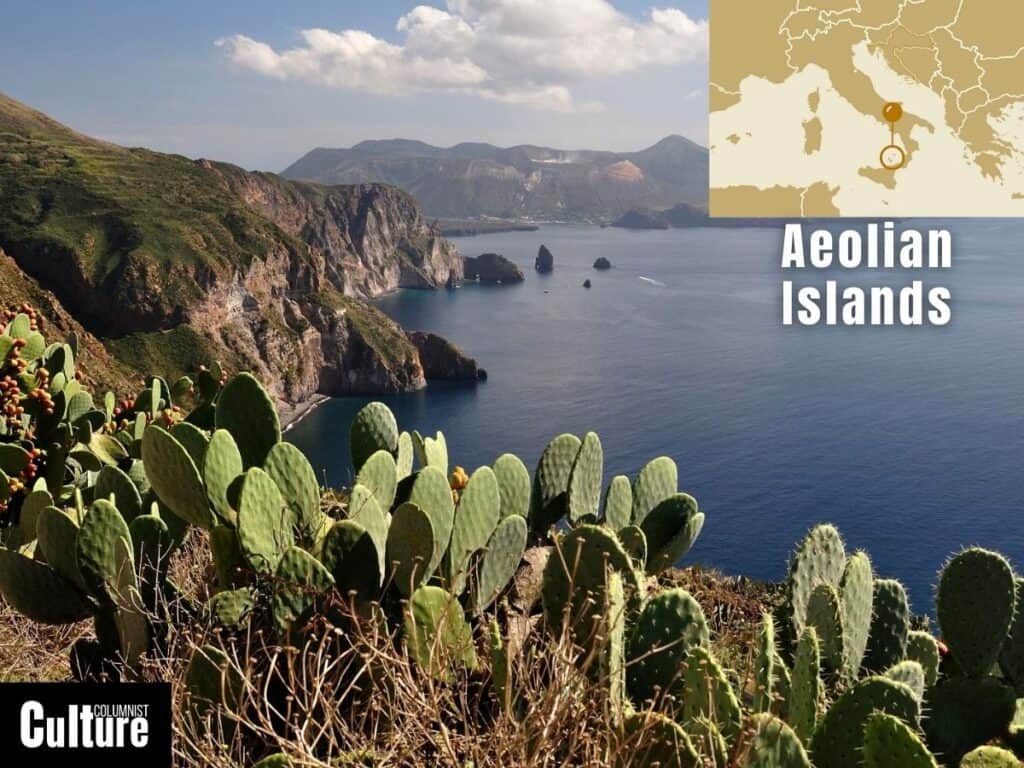
The Aeolian Islands are a volcanic archipelago in the Tyrrhenian Sea, north of Sicily, Italy. Once inhabited by the Ancient Greeks, the name derives from Aeolus, the god of winds in Greek mythology.
The islands are best known for their distinctive volcanic features, including Stromboli, one of the most active volcanoes in the world.
In 2000, the Aeolian Islands were designated a UNESCO World Heritage Site for their dramatic landscapes that have been shaped by volcanic activity, including craters, lava formations, and black sand beaches.
The island of Vulcano offers the opportunity to bathe in thermal mud pools renowned for their therapeutic properties.
One of the most iconic experiences on the Aeolian Islands is witnessing the eruptions of Stromboli, an active volcano. Take a guided trek or a boat tour to see the lava burst against the night sky.
The waters around the island have great visibility and a vibrant ecosystem thanks to the volcanic activity, making the Aeolian islands a great European destination for scuba diving and snorkelling enthusiasts.
Skellig Michael
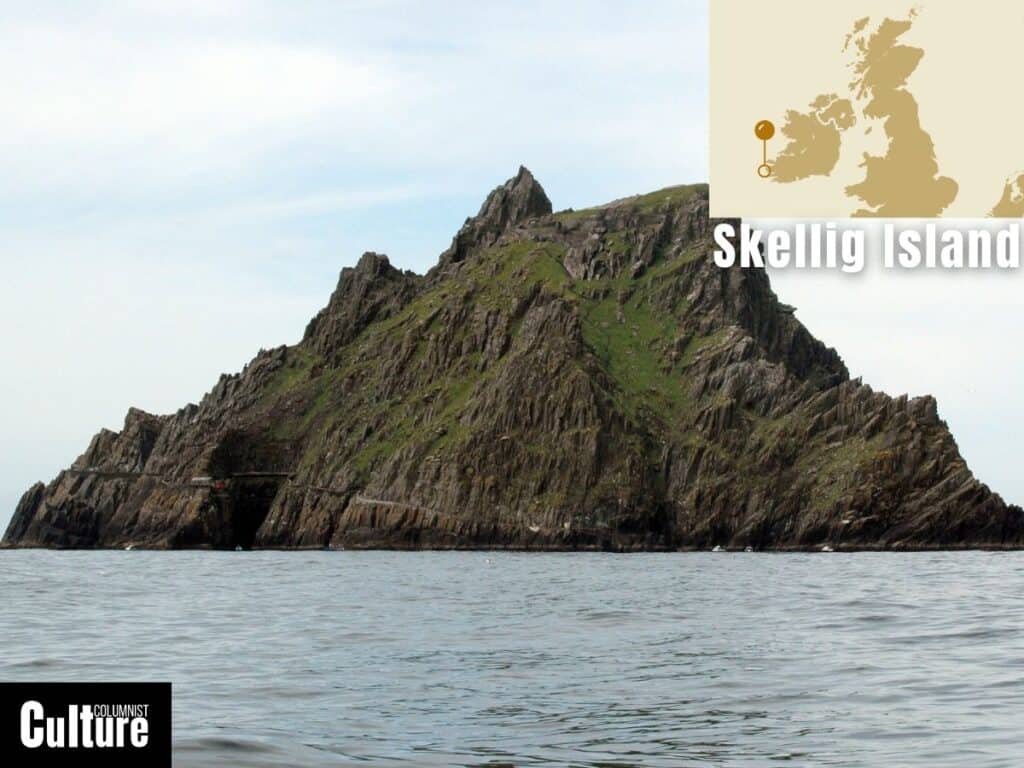
The Skellig Islands are a group of small islands that are situated just off the southwestern coast of Ireland, in the Atlantic Ocean. They served as a sanctuary for Christian monastic settlements all the way back to the 6th century.
The larger of the two islands, Skellig Michael, was used as a filming location in the “Star Wars” films, giving you one of the best reasons to visit if you’re a hardcore fan.
In 1996, Skellig Michael was designated a UNESCO World Heritage Site for the well-preserved monastic site that stands among a landscape of steep, rocky cliffs and sharp, pointy peaks.
To reach the site, visitors must climb the 618 steep, stone-carved steps that ascend to the secluded monastery, which is also a great vantage point for panoramic views of the Atlantic.
While there are no inhabitants, towns, cafes or visitor centers on the island, there are tours that can take you there on a day trip from Kerry Harbour.
The dedicated visitor centre on the mainland is where you can book a variety of Skellig excursions and houses several exhibits about the island’s history, landscape, wildlife and fame.
It’s important to note that most tours only operate in the summer due to the harsh weather conditions during the winter, which can make the journey to Skellig Michael Island too precarious.
Orkney Island
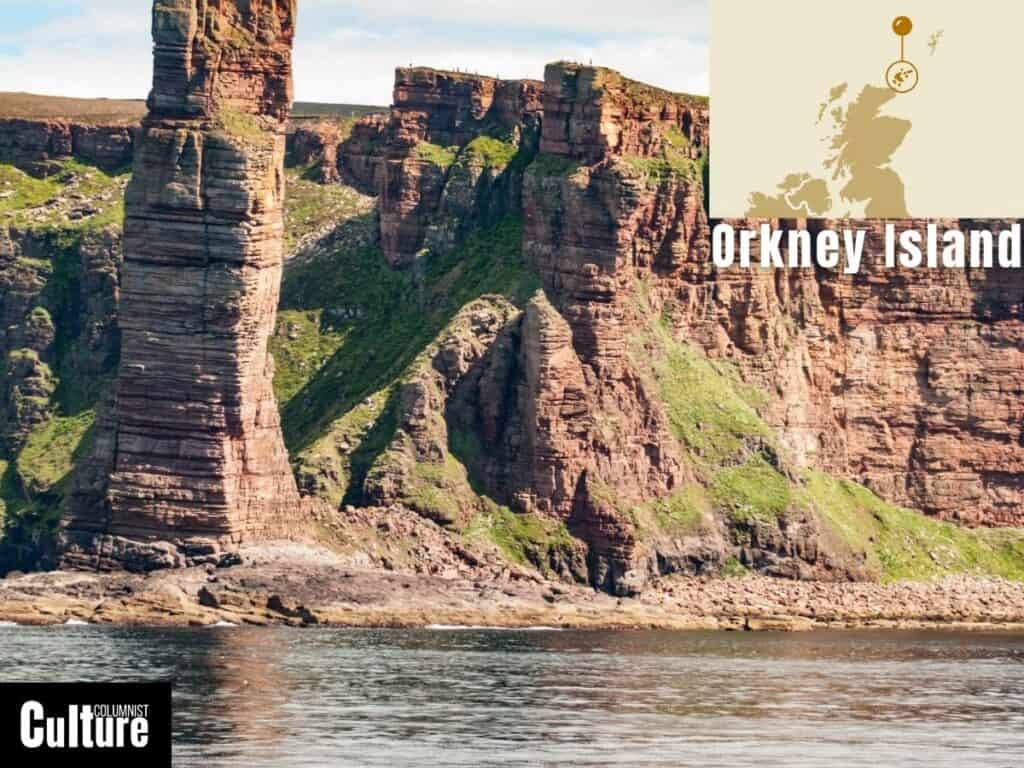
The Orkneys are an island archipelago that lies off the northeastern coast of Scotland, in the North Sea.
The islands are home to ancient settlements that date back to the Neolithic era, with some of Europe’s oldest and best-preserved prehistoric sites, such as Skara Brae and the Ring of Brodgar, earning the islands UNESCO World Heritage status in 1999.
The Orkney landscape is a blend of rolling green fields, rugged coastlines, and sheer cliffs that drop into the sea.
While the islands are not heavily forested, their beauty lies in their windswept expanses, teeming with a variety of bird species like puffins and great skuas, while seals can be spotted lounging on the rocky coasts.
A visit to the Orkney Islands is not complete without exploring the ancient ruins, such as Skara Brae, an ancient village that predates the Pyramids of Egypt, and the Ring of Brodgar, a mysterious monument consisting of 27 standing stones in a near-perfect circle.
Beyond the historic sites, Orkney is perfect for outdoor adventure seekers, with plenty of dramatic coastline hikes and pristine beaches that have not been touched by mainstream tourism.
Isle of Skye
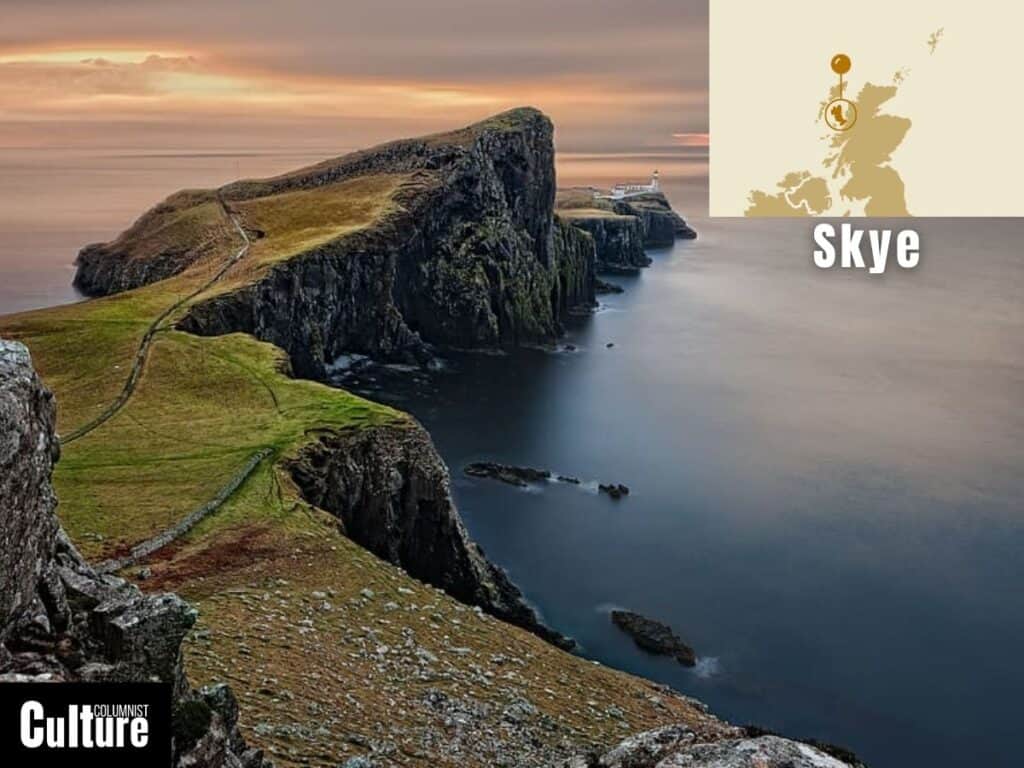
The Isle of Skye lies off the northwest coast of Scotland and forms part of the country’s Inner Hebrides archipelago. Skye holds a special place in Celtic folklore for its ethereal, jagged terrain and mysterious rock formations.
One of the island’s most iconic landmarks is the Old Man of Storr, a large pinnacle of rock that juts out dramatically from the ground.
Some of the must-see attractions to visit on the island include the Fairy Pools, a collection of crystal-clear, turquoise pools and waterfalls nestled at the foot of the Black Cuillin Mountains and the Trotternish Ridge.
Here, you can walk the Quiraing Loop to take in the landscape’s most distinct features, such as “the needle,” a 120 ft spiky pinnacle; “the prison,” a rocky mountain peak that looks like an eerie fortress; and “the table,” a flat grassy plateau on the mountain side.
Although Skye is a hiker’s paradise, there are plenty of other ways to enjoy the island without lacing up your boots.
There are horseback riding excursions, boat tours and bus tours that will allow you to see most of what the island has to offer. However, if there is one mode of transport that you must try on the Isle of Skye, it’s the Jacobite Steam Train, also known as the real Hogwarts Express.
Cyprus
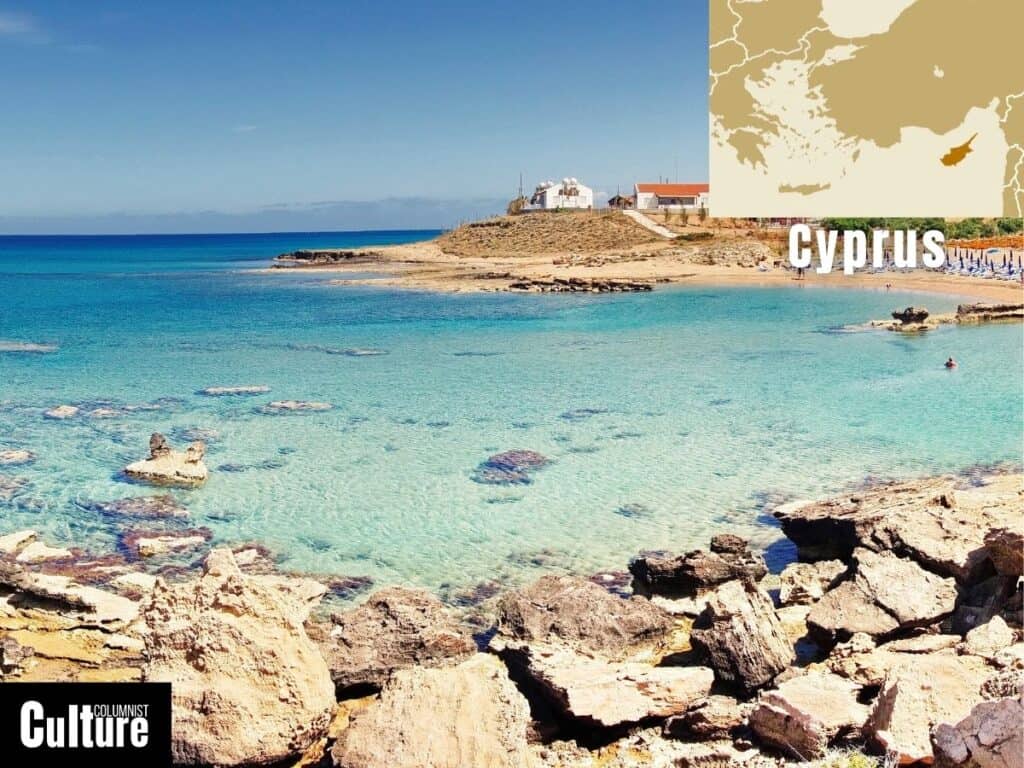
Cyprus is an island in the Eastern Mediterranean Sea, south of Turkey and off the west coast of Syria. With a history that spans over 10,000 years, Cyprus is a blend of Greek, Turkish, and Middle Eastern influences.
It’s an island that is well-known in Europe for its beautiful beaches and has received 79 Blue Flags for 77 of its beaches and two marinas for having some of the cleanest waters on the continent.
Cyprus is one of the sunniest places in Europe, with more than 300 to 340 days of sun per year, making it a great island for those who love to explore the great outdoors.
The island has everything from golden sand beaches like Ayia Napa and Coral Bay and mountainous ranges like the Troodos Mountains to remote peninsulas like the Akamas, home to the largest national park in Cyprus.
The island has many distinctive natural landmarks to visit, like the stunning sea caves in Cape Greco National Park, the Avakas Gorge, and the sand dunes of Limassol.
Cyprus is full of folklore and is believed to be the birthplace of Aphrodite, the Greek goddess of love and beauty. Aphrodite’s Rock or Petra tou Romiou, is a must-see for mythology lovers, as it’s known as the site where the goddess emerged from the sea.
In fact, the island is dotted with many archaeological sites waiting to be explored, including Roman villas, palaces, theaters, fortresses, and ancient tombs.
Santorini
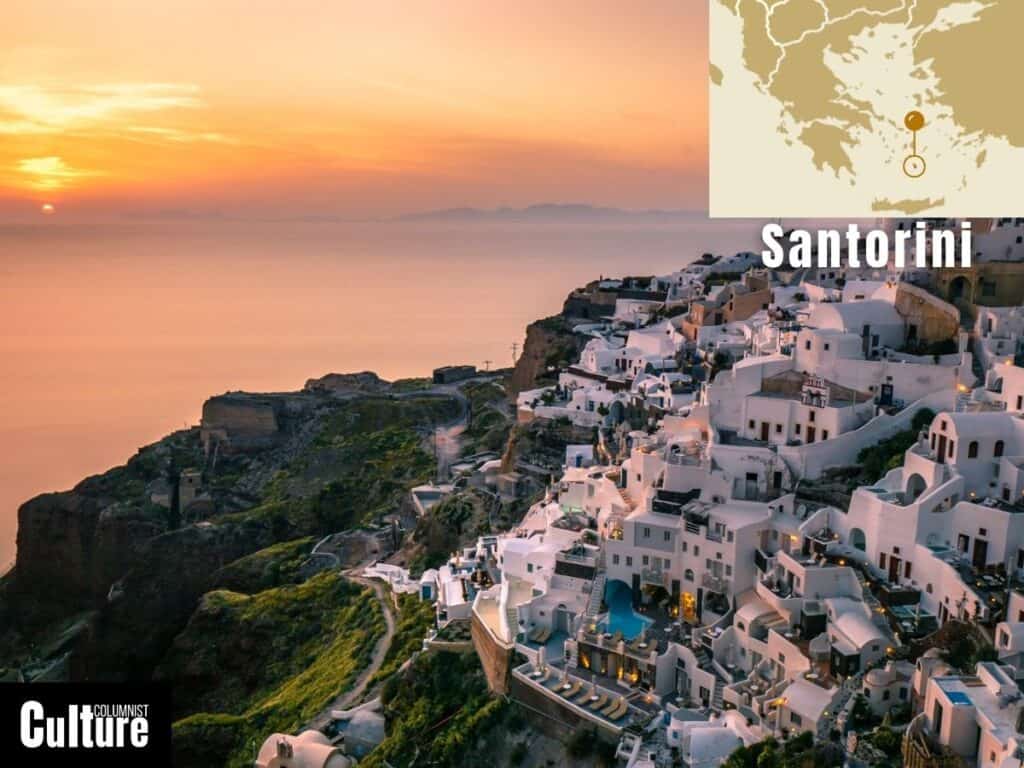
Santorini is a volcanic island in the Aegean Sea and is part of the Cyclades archipelago in Greece. It’s best known around the world for its iconic whitewashed buildings with blue domed chapels and is a very popular destination for romantic getaways and weddings.
It is best known for its stunning sunsets, luxurious resorts, and its role in various myths and legends, including theories that it might be the location of the lost city of Atlantis.
One of Santorini’s most striking tourist attractions is its crescent-shaped caldera, formed by a volcanic eruption thousands of years ago.
The island’s cliffs rise sharply from the sea, allowing an expansive view over the Mediterranean Sea and nearby islands.
Fira and Oia are the island’s two main towns and are perched at the very top of these cliffs, creating a surreal experience and spectacular viewpoints during sunset.
Because Santorini is a volcanic island, it not only has the quintessential gold sandy beaches Greece is known for but also multicolored sand beaches ranging from red to black.
With its volcanic history, some legends suggest that Santorini holds the key to the long lost city of Atlantis and even has a dedicated museum on the island for mythology and history lovers.
Mykonos
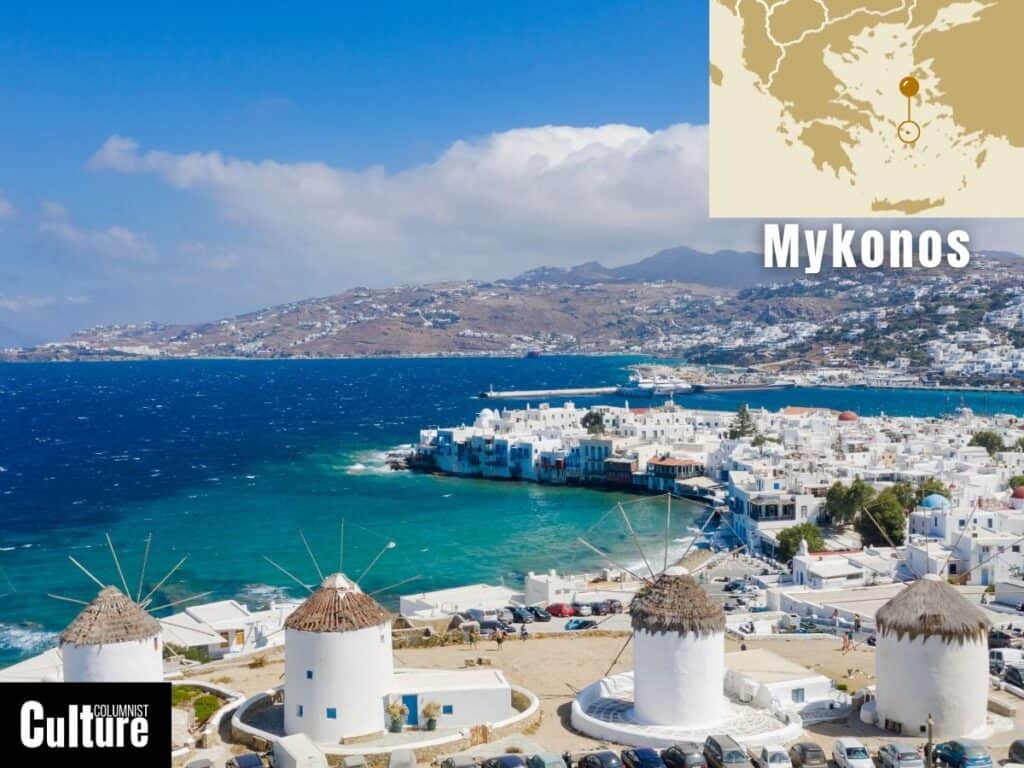
Mykonos is a Greek island located in the Aegean Sea, part of the Cyclades group. It’s known locally as the “Island of the Winds,” but it also has a strong reputation for being a party island with a vibrant LGBTQ+ environment and is one of Europe’s leading gay destinations.
Mykonos also plays an important role in Greek mythology, as it’s said to be the location where Zeus battled the Titans.
Like many other Greek islands, Mykonos is known for its golden sandy beaches and clear, azure waters. Popular beaches include Paradise and Super Paradise, not only during the day but particularly at night for their parties that continue all night long.
Aside from the nightlife, however, Mykonos is a great place to try windsurfing thanks to the island’s strong winds, which will help you work up an appetite for some Greek cuisine.
Mykonos town is a wonderful spot to explore, with its white-washed, cube houses, narrow streets, and iconic windmills providing great photo opportunities.
The island welcomes a whole host of people from all ages and from all over the world each year so whether you’re interested in a lively beach scene or exploring the lesser known side of the island, there is something to do for everyone.
Isle of Man
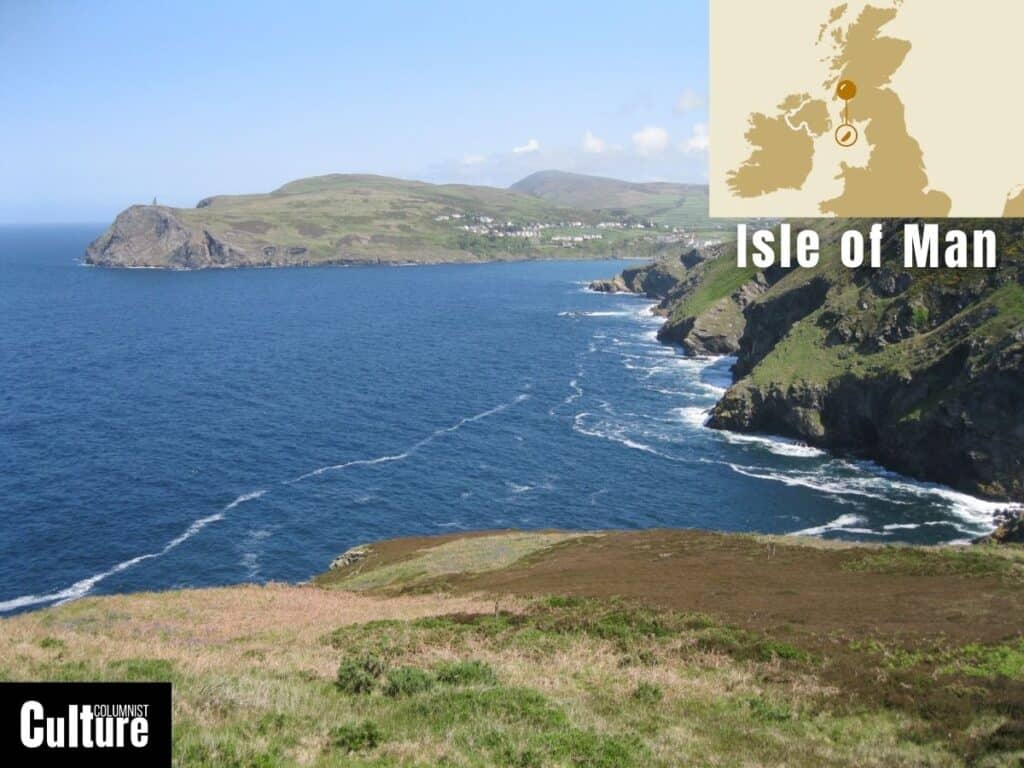
The Isle of Man is a self-governing island located in the Irish Sea between Great Britain and Ireland.
The island has plenty of Celtic and Viking heritage to explore but it is perhaps best known for the annual TT (Tourist Trophy) motorcycle race that happens every year and has been held on the island since 1907, making it a popular destination for motorsport enthusiasts.
The Isle of Man also has plenty to offer nature lovers and wildlife photographers with its rugged coastal cliffs, green rolling hills and flat plains that are waiting to be explored through the many hiking trails or organized tours that are available through the tourist board.
The coastline is dotted with sandy beaches and rocky outcrops, including Peel Beach, which is a must-see for it’s unique castle that overlooks the bay. The peak of Snaefell is another worthwhile spot that has panoramic views as far as England, Scotland, Ireland, and Wales on clear days.
If you want to see the Manx countryside from a unique perspective, you should definitely check out the Isle of Man Steam Railway that connects the capital, Douglas, to the southern town of Port Erin.
For an off-the-beaten-track adventure, check out the Calf of Man, another small island off the southwestern coast that is only reachable by boat trips from Port St. Mary and Port Erin.
Elba
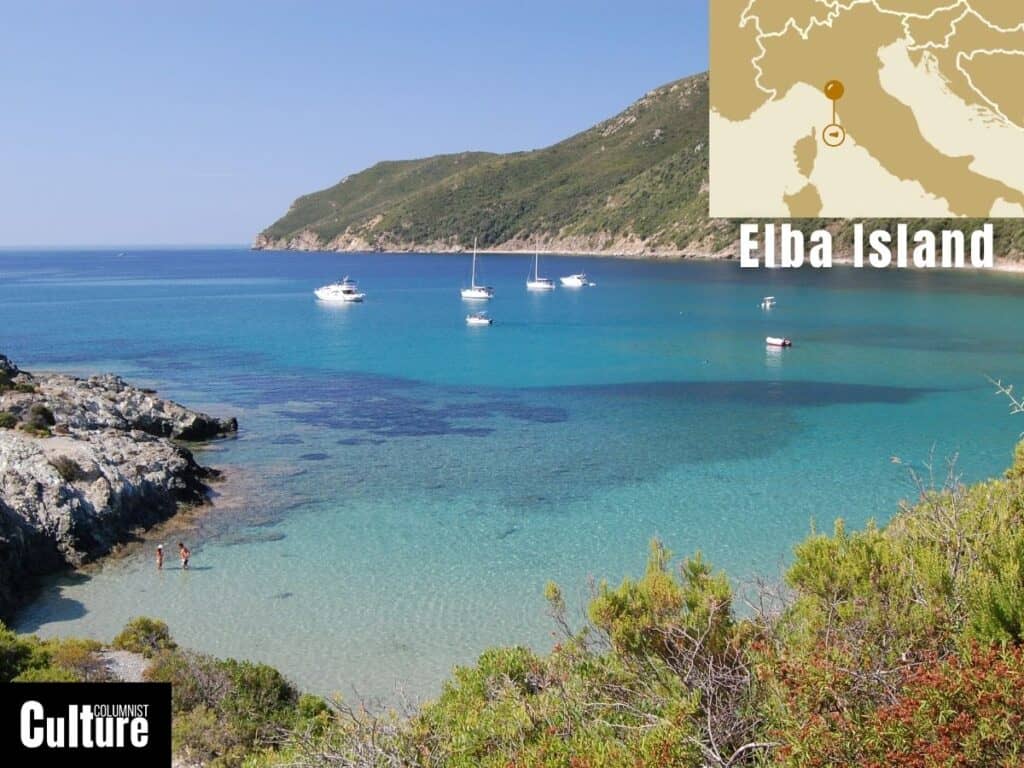
Elba Island is located in Italy in the Tyrrhenian Sea, part of the Mediterranean. In terms of European history, the island is famed for being a refuge for Napoleon Bonaparte after he was exiled in 1814.
However, the island is also a well-loved beach destination during the summer and even winter months, with clear-waters and sandy shores that are perfect for families with young children.
Beaches like Sansone, Lacona and Fetovaia are among the most popular, with their white, sandy shores and warm, clear waters providing the perfect environment for snorkeling and diving or just taking a relaxing dip to cool off.
The island is not just a beach paradise, however; there are plenty of things to do for those who like to be a bit more active. A hike up to the peak of Monte Capanne at 1,019 meters will get your heart rate up and reward you with sweeping views of the island and surrounding seas.
It’s worthwhile exploring the Napoleonic history of the island by visiting the Villa San Martino, Napoleon’s summer residence surrounded by lush gardens or the Palazzina dei Mulini (Villa dei Mulini), the primary residence of Napoleon during his exile on Elba.
The house has been turned into a museum showcasing some of Napoleon’s personal belongings, offering a glimpse into the past.
Ischia
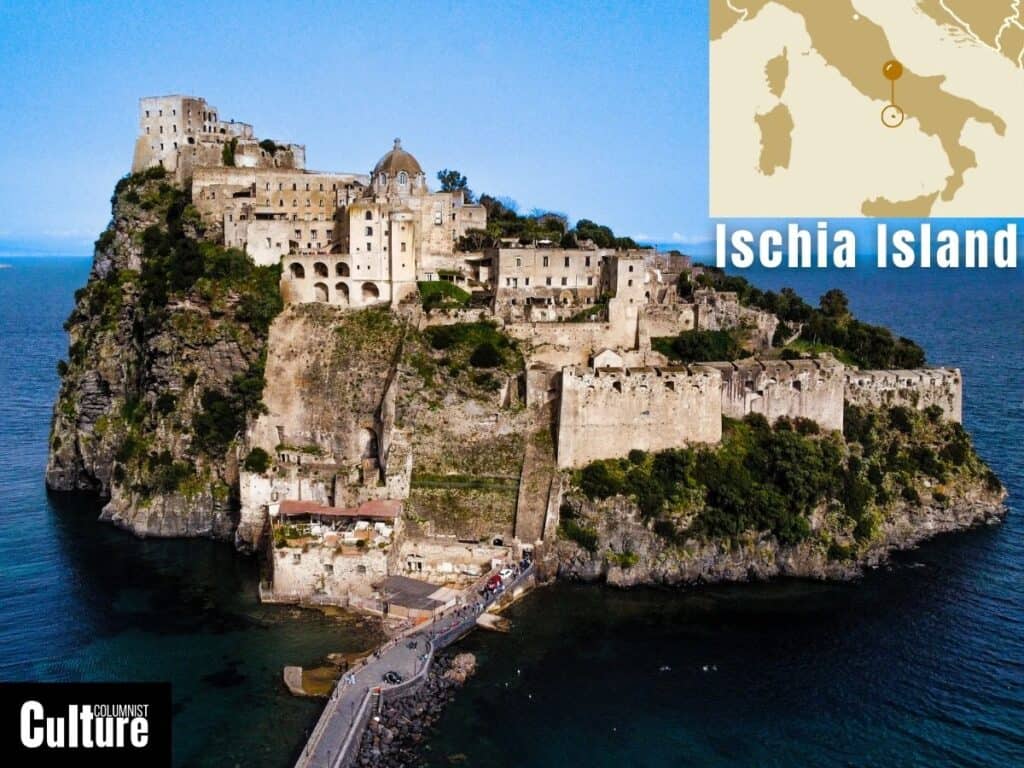
Ischia Island is located in the Gulf of Naples, Italy, and is part of the Campanian Archipelago. This island became known historically by the ancient Greeks and Romans for its thermal spas and volcanic terrain.
The island is rich in history, culture, beautiful beaches, and thermal spas, making it a unique wellness destination in Europe.
Ischia is less known than it’s sister island, Capri, but offers authentic Italian charm, more affordable prices and more diverse landscapes to explore.
These include sandy beaches such as Maronti, Citara and San Montano; dense pine forests such as Falanga Forest; and mountainous terrain, most notably Mount Epomeo, which is an extinct volcano.
The volcanic activity results in numerous hot springs and thermal spas, such as the famous Poseidon Gardens, Negombo Thermal park or the Terme Cavascura.
The thermal waters are rich in minerals and are locally believed to have therapeutic properties but the best part is that a lot of the naturally occurring spas on the island are completely free.
However, no visit to Ischia would be complete without exploring the Aragonese Castle that’s perched on top of a rocky islet off the island’s west coast.
Hvar
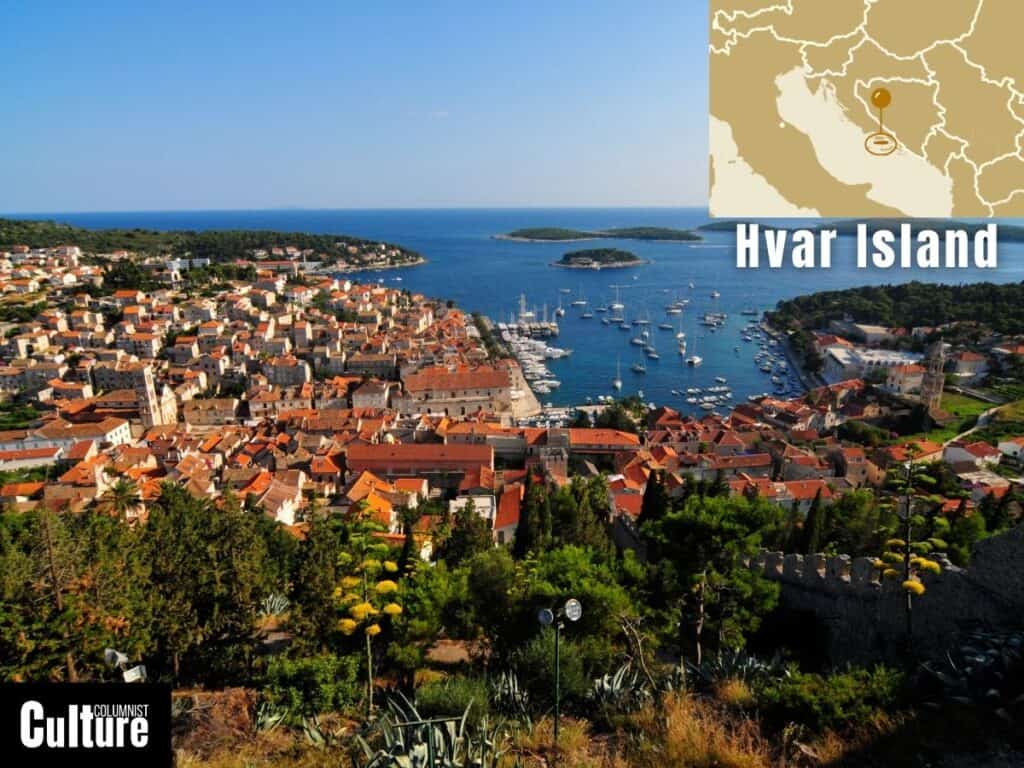
Hvar Island lies off the coast of Croatia in the Adriatic Sea. It is the sunniest island in Croatia, with around 115 days of sun each year, making it one of the most popular tourist destinations in the Dalmatian Archipelago.
It has gained a reputation for its vibrant nightlife, such as Petra Hektorovića Street, parallel to the main square, full of high-end and fine restaurants.
Hvar has so much to discover beyond its beautiful beaches. It’s famous for its wild lavender fields, which is why you’ll find lavender oils and scented bags as typical souvenirs.
The island has multiple UNESCO Cultural Heritage Awards, including the agave lace handmade by nuns from the Benedictine convent, ancient stone wall building techniques, and a traditional form of acappella singing called Klapa.
For those who want to get active, the Venetian Citadel, perched high above the town of Hvar, is worth the ascent.
You’ll be rewarded with breathtaking panoramic views over Hvar town with its terracotta rooftops, blue harbor and the Paklinski Islands in the distance. You can also explore the citadels rich history with stone walls and archways providing stunning backdrops for your vacation photographs.
Faroe Islands
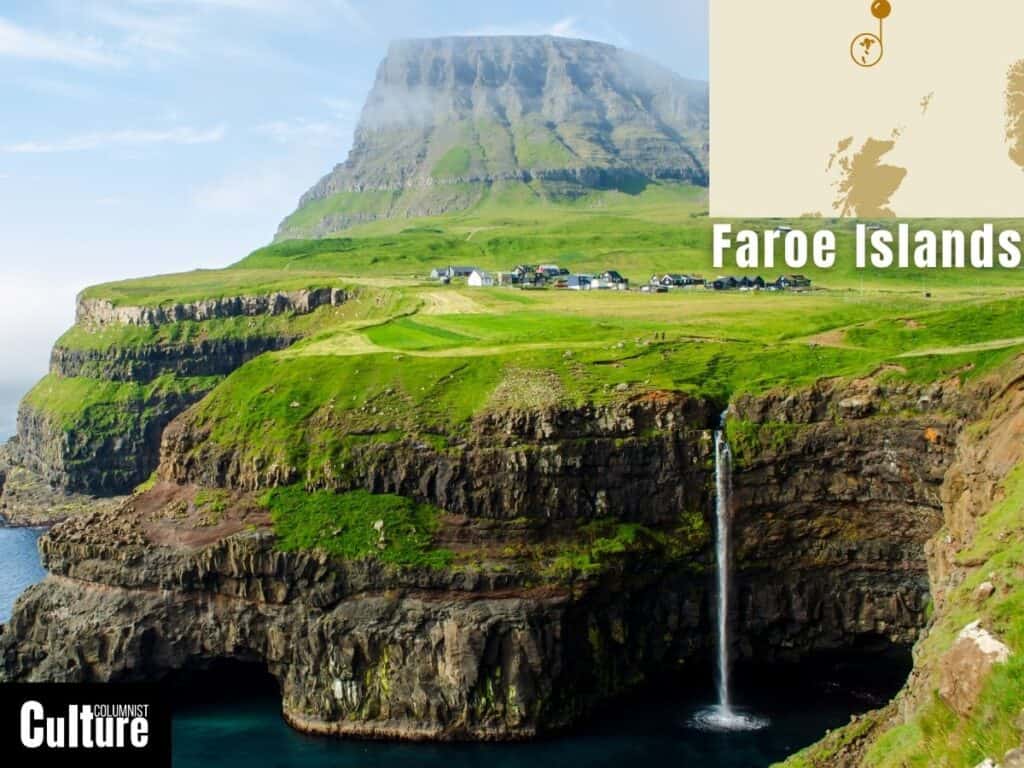
The Faroe Islands are a group of islands located in the North Atlantic Ocean between Iceland and Norway but they are a territory of Denmark. The islands are far removed from the traditional tourist destinations of Europe but they do not disappoint.
With dramatic cliffs, cascading waterfalls, bird colonies, and traditional grass-roofed houses, there is plenty to see, do and discover on the islands.
Exploring Tórshavn, the capital of the islands, is a highlight that’s not to be missed, with its cobbled streets and wooden turf-roofed houses.
If you’re lucky enough to visit in late July, the vibrant Ólavsøka festival in the city is an experience not to be missed, with long summer days filled with boat races, parades and traditional Faroese chain dancing bringing the city to life.
For nature lovers and photographers, the Faroe Islands are a real treat, with surreal landscapes that you have to see to believe.
The dramatic Múlafossur Waterfall in Gásadalur cascades directly into the vast ocean, a sight that leaves many in awe, while Lake Sørvágsvatn seems to levitate above the sea, creating a mesmerizing optical illusion.
If birdwatching is on your agenda, the island of Mykines is a must-visit, where thousands of puffins migrate every year, especially during the summer months.
Ireland
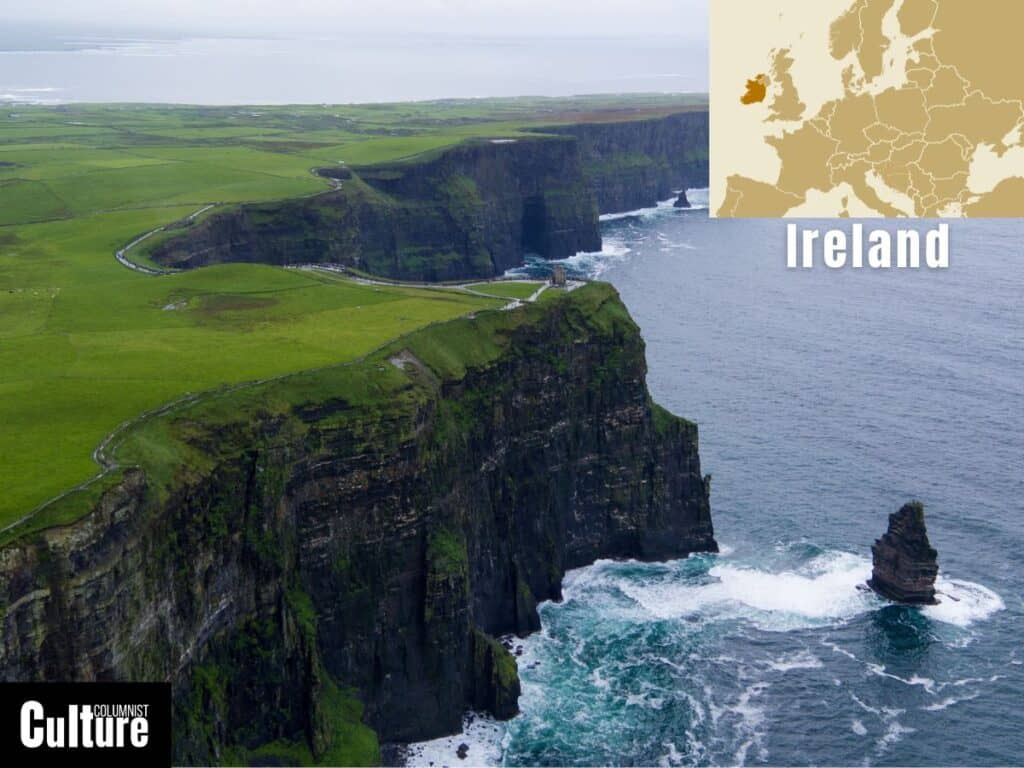
The island of Ireland includes both the Republic of Ireland and Northern Ireland and is located in the North Atlantic Ocean.
It’s known as the “Emerald Isle” for its lush landscapes with its famous “forty shades of green” and is also well-known for its cultural festivals like St. Patrick’s Day, which is celebrated worldwide.
Ireland is perfect for adventure seekers and roadtrippers, with many natural wonders on offer, from the iconic Cliffs of Moher on its western coast to the Mourne Mountains in Northern Ireland.
The Wild Atlantic Way and the Ring of Kerry are just some of the routes you can embark on to discover the most rugged parts of the island. The west coast is also rich in Gaelic culture, where you’ll find traditional music sessions taking place in local pubs.
Thanks to the country’s rich history, there are endless castles and ruins to explore in every part of the country, with some of the most popular being Dublin Castle, Kilkenny Castle and Blarney Castle.
However, there are plenty of other attractions to entertain you as well, including breweries like the Guinness Storehouse and the Jameson factory, while the Titanic Museum of Belfast offers fascinating insights into the most famous shipwreck of all time.
Which country in Europe has the most islands?
Sweden is the European country with the most islands. It’s estimated that Sweden has over 267,000 islands, although only a small fraction of these are inhabited. This vast number is due to the country’s extensive coastline along the Baltic Sea and the unique geological processes that have shaped its landscape.
Which island in Europe is like the Caribbean?
The Azore Islands in far west Europe are often compared to the Caribbean for their beautiful beaches and vibrant blue waters. Because of their volcanic origins and subtropical climate, the Azores have lush green vegetation and forests compared to other Mediterranean islands, making them appear more tropical.
What is the sunniest island in Europe?
Cyprus is the sunniest island in Europe. Located in the eastern Mediterranean Sea, it enjoys more than 300 days of sunshine per year, an average summer temperature of 29°C (84°F) and an average winter temperature of 11°C (52°F), making it a top destination for those seeking sun and warmth year-round.
What is the warmest beach in Europe?
Los Cristianos, located in the Canary Islands, Spain, is often celebrated as having one of the warmest beaches in Europe. The beach has consistently mild and pleasant temperatures throughout the year, including the winter months, with an average winter temperature of around 20.6°C (approximately 69°F).
The Canary Islands’ location off the northwest coast of Africa contributes to this warm climate. The surrounding waters of the Atlantic Ocean help moderate the temperature, ensuring it remains relatively stable and warm year-round, making the Canary Islands one of the region’s most favorable destinations for beach holidays in Europe.